

What My Injury Taught Me About Advent
When My Body Ruined My Plans
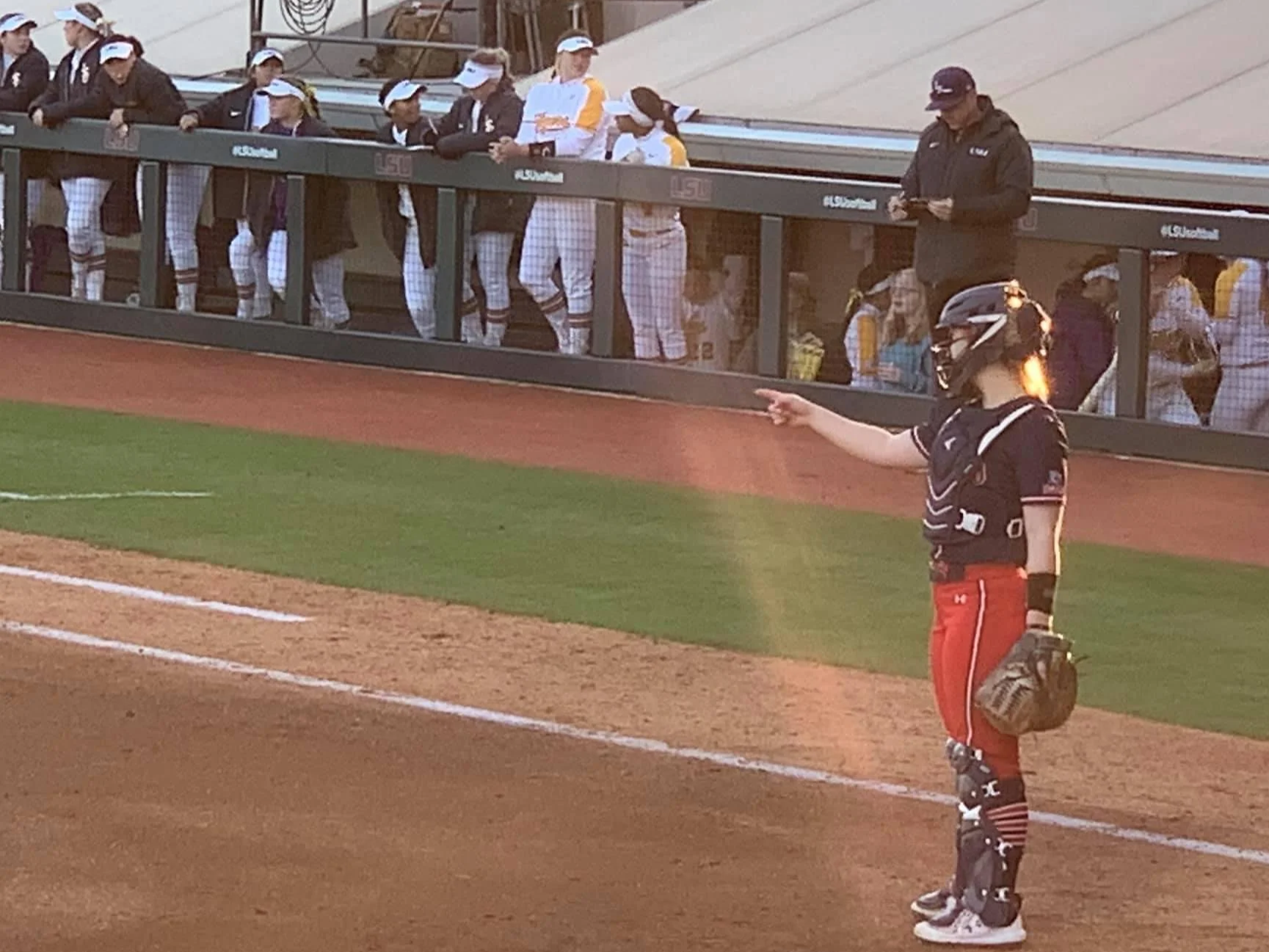
My college softball career didn’t go the way I dreamed. As a teenager, I trained for countless hours in the cage and weight room, all devoted to one goal: thriving at the collegiate level. I knew I’d never make it professionally, but I loved the game deeply and believed that I could succeed at a high level with enough effort and focus. When I committed to play in college as a sophomore in high school, I poured everything into preparing for the day I would step on campus.
My first semester felt like a dream come true. I was in peak shape, starting every fall ball game as catcher, seeing the ball well, and finally feeling like I had “arrived.” All those years of preparation and perseverance were finally paying off.
Then one day in the batting cage, everything changed. Midway through drills, I lost feeling in my legs. My back seized, pain shot from my hips to my feet, and I collapsed. Two herniated discs were crushing the nerves along my spine. The doctors told me it was something I would have to manage rather than fix, a chronic condition that would shape the rest of my playing years.
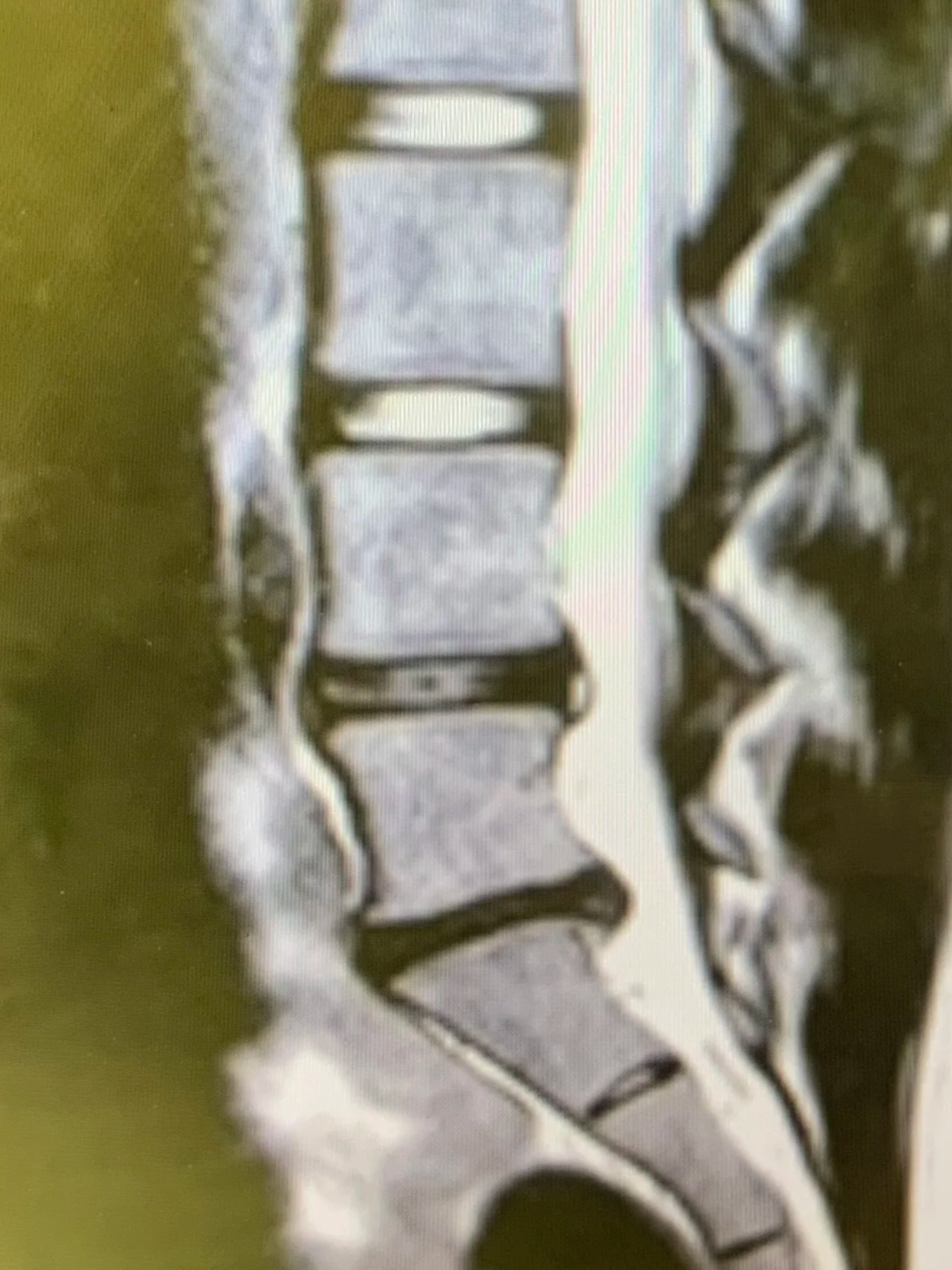
That injury changed the story I thought I was living. Instead of spending everyday chasing records and playing the game I loved, I spent my college years rehabbing and waiting, never knowing if I’d get to play on any given day. I had trained my whole life for a season of thriving, but instead found
myself in a season of surviving—grappling with limits, pain, and patience.
For a long time, that season felt like failure. I thought I had missed the moment I had prepared for.
From the outside, my collegiate years still looked like the life I had dreamed: a uniform, a team, a schedule full of games. From the inside, it felt like something else entirely. Instead of chasing records, I chased small wins: getting through warm‑ups, making it through practice, finding a pain level I could manage. On some days I laced up and played. On other days I watched in full gear from the dugout, unsure which hurt more, my back or my pride.
I had expected those years to be my brightest. They turned out to be some of my darkest. The hours I thought would be spent performing were instead spent wrestling with questions that did not have easy answers. Who am I if I cannot do what I trained my whole life to do? Where is God in a story that keeps taking turns I never wanted?
It wasn’t until much later - long after my career ended - when I realized what was happening in that time - how God was with me in the dark.
A Season Built for the Dark
Advent is the season leading up to Christmas, but it is more than a countdown. It is the beginning of the Christian year. And while the world speeds toward lights and celebrations, Advent invites the church to slow down and name the truth that God works in hidden, unfinished places. Much of the imagery around Advent is around darkness and night. We are waiting for Christ to come and light the world, but he is not yet here. And so, we wait, expecting that he will soon come.
Barbara Brown Taylor writes, “New life starts in the dark. Whether it is a seed in the ground, a baby in the womb, or Jesus in the tomb, it starts in the dark.” Advent reminds us that God often does the deepest work before anyone can see it. God works quietly, beneath the surface, while we wait and trust that new life is forming.
That is why this season matters for injured athletes, or anyone living a story they did not choose. Advent understands training rooms, stalled dreams, and uncertain timelines. It is not a quick-fix season. It is the church’s way of saying, “Faith grows when you slow down and wait.” In Advent, the darkness is not denied, and it is not romanticized. It is simply named as the place where God is still at work.
My injury taught me that truth in a very personal way. I wanted success, but instead I got a painful lesson on patience. I wanted control, but I was forced into dependence. Somewhere in that waiting—through long hours of physical therapy, lonely practices, and angry prayers—God reshaped my heart. My worth stopped depending on stats or starting positions. My faith grew deeper, learning to trust that even when I couldn’t perform, I was still loved. Phew - that was humbling!
That’s the heart of Advent. It’s the season that teaches us not to force the light to come faster, but to hope faithfully in the dark. God is present when we’re benched, when our plans fall apart, and when all we can do is wait. The hope of Christmas, the promise of Emmanuel - God with us - means that even our injuries and disappointments can become sacred ground where new life begins to grow.
So if you find yourself in a season of frustration, uncertainty, or recovery, know this: you are not behind, and you are not alone. God is with you. The darkness is the place where God prepares something new. This is Advent.